


Zhejiang Benling: Your Professional Motorcycle Manufacturer!
Zhejiang Benling Motorcycle Manufacturing Co., Ltd. and its export company Taizhou Strength Good Motorcycle Co., Ltd. were established in 2020 and located in Taizhou City, Zhejiang Province, a well-known motorcycle manufacturing base in China. Our company covers an area of more than 80,000 square meters and a construction area of more than 36,000 square meters.
Our Advantages
Advanced Equipment
Benling Company has fully enclosed light-curing paint spraying lines, scientific and advanced assembly lines, etc., and also uses CNC vertical comprehensive machining centers, precision tools, etc. to ensure smooth and high-quality production of motorcycles and parts.
Broad Sales Market
Our products are long-lasting in South Asia, Southeast Asia, West Africa, Europe, the United States, the Middle East and other regions. They have a good reputation in the market and are deeply trusted by customers.
Complete Performance Testing
Precision testing equipment and instruments such as reflex CMM, dynamometer, engine chassis dynamometer, durability test bench, etc. can strictly inspect and control the performance and quality of motorcycles.
Scientific Production Line
We have passed ISO9000 certification and our manufacturing process complies with international quality management standards, ensuring product quality consistency and customer satisfaction.
-
![Adult 125cc Gas Motorcycle Street Legal]() Adult 125cc Gas Motorcycle Street LegalEngine Type: 4-Stroke,Air Cooled vertical(CBN125)Displacemen: 133 cm³Compression ratio: 8.7:1Cylinder Diameter: 56.5mmPort: FOB NingBo
Adult 125cc Gas Motorcycle Street LegalEngine Type: 4-Stroke,Air Cooled vertical(CBN125)Displacemen: 133 cm³Compression ratio: 8.7:1Cylinder Diameter: 56.5mmPort: FOB NingBo -
![Adult 4 Stroke Sport Motorcycle 350cc]() Adult 4 Stroke Sport Motorcycle 350ccDisplacement: 316.7ml. Engine: 4-stroke, 8-valve, vertical. Bore & Stroke: 63.5mm*50mm. Cooling System: air oil cooledPort: FOB NingBo
Adult 4 Stroke Sport Motorcycle 350ccDisplacement: 316.7ml. Engine: 4-stroke, 8-valve, vertical. Bore & Stroke: 63.5mm*50mm. Cooling System: air oil cooledPort: FOB NingBo -
![Adult Racing 250cc Motorcycle]() Adult Racing 250cc MotorcycleDisplacement: 249ml. Engine: 4-stroke, 8-valve, vertical. Bore & Stroke: 57mm*48.8mm. Cooling System: air oil cooledPort: FOB NingBo
Adult Racing 250cc MotorcycleDisplacement: 249ml. Engine: 4-stroke, 8-valve, vertical. Bore & Stroke: 57mm*48.8mm. Cooling System: air oil cooledPort: FOB NingBo -
![Gasoline Motorcycle For Adults]() Gasoline Motorcycle For AdultsZhejiang Benling Motorcycle Manufacturing Co., Ltd. and its export company Taizhou Strength Good Motorcycle Co., Ltd. were established in 2020 and located in Taizhou City, Zhejiang Province, a
Gasoline Motorcycle For AdultsZhejiang Benling Motorcycle Manufacturing Co., Ltd. and its export company Taizhou Strength Good Motorcycle Co., Ltd. were established in 2020 and located in Taizhou City, Zhejiang Province, a -
![4 Stroke 250cc 3 Wheel Gas Motorcycle]() 4 Stroke 250cc 3 Wheel Gas MotorcycleDisplacement: 249ml. Engine: 4-stroke, 8-valve, vertical. Bore & Stroke: 57mm*48.8mm. Cooling System: air oil cooledDelivery: FOB Ningbo
4 Stroke 250cc 3 Wheel Gas MotorcycleDisplacement: 249ml. Engine: 4-stroke, 8-valve, vertical. Bore & Stroke: 57mm*48.8mm. Cooling System: air oil cooledDelivery: FOB Ningbo -
![3 Wheel Petrol Motorcycle for Adults]() 3 Wheel Petrol Motorcycle for AdultsDisplacement: 249ml. Engine: 4-stroke, 8-valve, vertical. Bore & Stroke: 57mm*48.8mm. Cooling System: air oil cooledDelivery: FOB Ningbo
3 Wheel Petrol Motorcycle for AdultsDisplacement: 249ml. Engine: 4-stroke, 8-valve, vertical. Bore & Stroke: 57mm*48.8mm. Cooling System: air oil cooledDelivery: FOB Ningbo -
![Affordable 3 Wheel Chopper Trike Motorcycle]() Affordable 3 Wheel Chopper Trike MotorcycleDisplacement: 249ml. Engine: 4-stroke, 8-valve, vertical. Bore & Stroke: 57mm*48.8mm. Cooling System: air oil cooledDelivery: FOB Ningbo
Affordable 3 Wheel Chopper Trike MotorcycleDisplacement: 249ml. Engine: 4-stroke, 8-valve, vertical. Bore & Stroke: 57mm*48.8mm. Cooling System: air oil cooledDelivery: FOB Ningbo -
![Gasoline Motorcycle for Adults]() Gasoline Motorcycle for AdultsDisplacement: 250ml. Engine: 1 Cylinder, 4 Stroke. Bore & Stroke: 70mm*65mm. Cooling System: air oil cooledPort: FOB Ningbo
Gasoline Motorcycle for AdultsDisplacement: 250ml. Engine: 1 Cylinder, 4 Stroke. Bore & Stroke: 70mm*65mm. Cooling System: air oil cooledPort: FOB Ningbo -
![Vintage 110CC Motorcycles for Adults]() Vintage 110CC Motorcycles for AdultsDisplacement: 106.7ml. Engine: 1 Cylinder, 4 Stroke. Bore & Stroke: 52.4mm*49.5mm. Cooling System: Air CooledPort: FOB Ningbo
Vintage 110CC Motorcycles for AdultsDisplacement: 106.7ml. Engine: 1 Cylinder, 4 Stroke. Bore & Stroke: 52.4mm*49.5mm. Cooling System: Air CooledPort: FOB Ningbo


What is a Motorcycle?
A motorcycle (motorbike, bike, or, if three-wheeled, a trike) is a two or three-wheeled motor vehicle steered by a handlebar from a saddle-style seat. Motorcycle design varies greatly to suit a range of different purposes: long-distance travel, commuting, cruising, sport (including racing), and off-road riding.
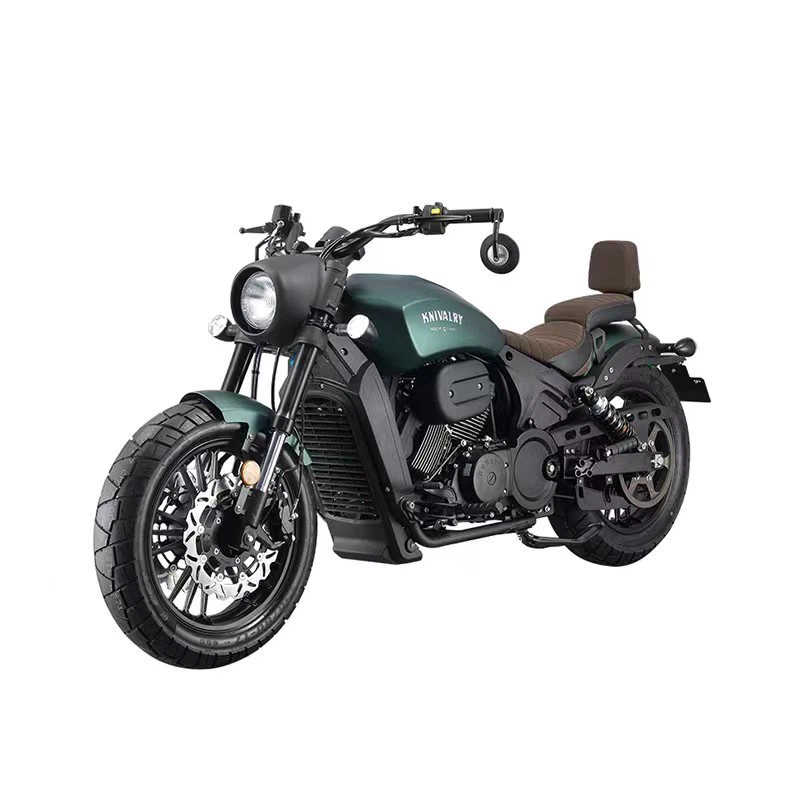
Benefits of Motorcycles

Sense of Connection
Driving a car means that you are essentially moving around in a metal box. You can feel like you are hermetically sealed off from your surroundings. You view your surroundings like you're watching television. One of the wonderful things about motorcycling is that you are in the open air and far more connected to your environment. This is especially great when you are cruising through the countryside, as you absorb all of the scenery and feel part of nature.
Affordable
Motorcycles are generally much more affordable than cars and trucks to buy, register, insure, maintain, and repair. Driving two wheels instead of four can save you a lot of money over time even when you add in any additional costs for safety gear.
Easy to Maintain
Compared to cars and other four-wheeled vehicles, motorcycles are much easier to maintain. For example, a regular procedure like an oil change is way easier with a motorcycle. The engine and other elements of the bike are much more accessible. You can often do your own repairs, and when you can't, the parts are usually easy to get hold of, reducing labor costs.
Easy to Park and Store
One of the things that makes motorcycles particularly practical in built-up urban areas is that they are much easier to park than cars. That's because they are smaller and can fit into tighter spaces. They're also more maneuverable. There are fewer accidents associated with a parking a motorcycle than with a car. It's also safer when you pull out of a parking space, because you have better visibility than four-wheeled vehicles.


Great in Traffic
Motorcycles are more versatile when it comes to dealing with driving in heavy traffic. When you're sat on your machine and faced with a sea of stationary cars and trucks, you can often find ways through the parked vehicles and therefore get to your destination quicker.
There's a Social Side to Riding
Motorcycles aren't purely a form of transport for many people. They provide social opportunities to meet up and ride in groups. Road trips with a club can be a rewarding way to drive, explore, meet new people, and spend time with friends.
They Use Less Gas
Motorcycles are smaller and lighter than cars and trucks, which means that they are more efficient and use less gas. The gas mileage of an individual motorcycle varies but it can often exceed 50-60 MPG. That compares with many four-wheeled vehicles that can typically only manage 20-30 MPG. As well as saving you money on gas, it means that you also have to make fewer stops to refill.
They Hold Their Value
Take good care of your motorcycle and its value won't depreciate as rapidly as with a car or truck. On average, a motorcycles will lose around 10% of its value each year. In comparison, cars lose about 15%.
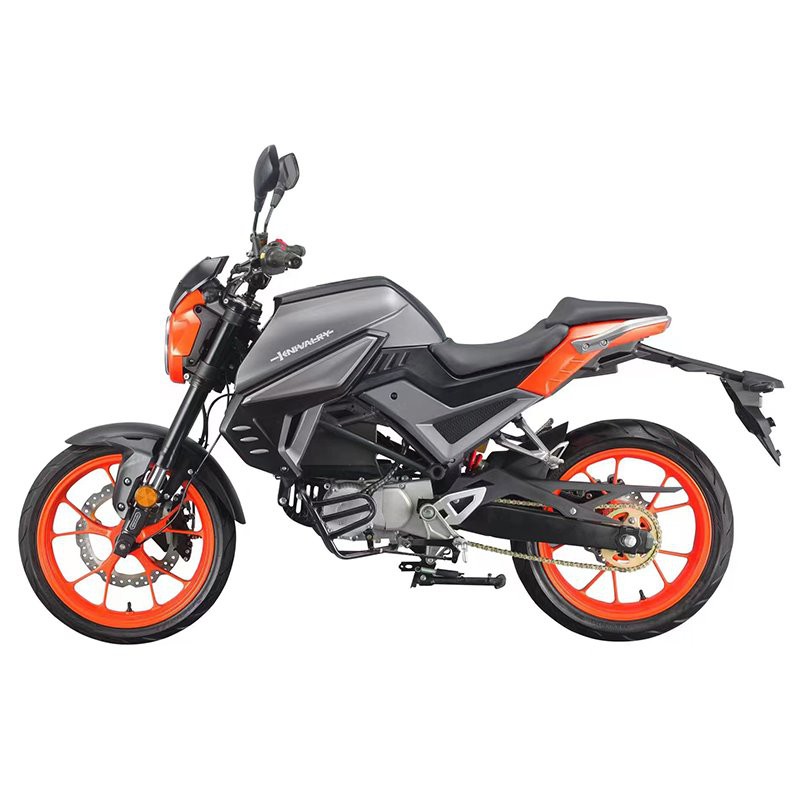
Main Components of Motorcycles
Chassis
The chassis forms the foundation of any motorcycle and consists of the mainframe, front forks, rear suspension/swingarm and subframe. Frames can be manufactured from a range of materials including steel, aluminium, magnesium and even more exotic materials such as carbon fibre and Kevlar. Depending on cost and application, manufacturers could use any of the abovementioned materials to build a frame. The frame has a head tube up front which houses the front fork assembly. Some motorbikes may have a rigid rear suspension built into the frame (common on choppers), however in most cases, the rear suspension consists of a swingarm bolted to the frame. The subframe is the section where the seats and rear cowl are mounted, completing the basic structure of the bike.
Engine
In some cases, the engine forms part of the structural integrity for the chassis, as this allows manufacturers to reduce cost and build lighter motorcycles. They all have unique performance characteristics and the engine type you choose is largely based on preference.
Transmission
Various forms of motorcycle transmissions exist, with the most common being foot-operated sequential manuals found in most bikes, and CVT systems which are very common on scooters and e-bikes. There are some bikes that run stand-alone transmissions, however, in most cases, transmissions are built directly into the engine casing.
Final Drive
Power is transferred from the transmission output shaft to the rear wheel in a number of ways. Some motorcycles use a chain drive, some use driveshafts and some even use belts. They all have different benefits and disadvantages, but it has been found that the chain-driven system is the most versatile, as the final drive ratio can be adjusted to suit the bike's application through differently-sized sprockets.
Wheels and Tyres
Wheels transfer power from the final drive to the surface you are riding on. Off-road bikes make use of knobbly motorcycle tyres to improve grip on loose surfaces, and road bikes make use of motorbike tyres designed for use on tarmac and concrete.
Body Panels
Body panels are what give a bike its aesthetics. Some bikes have full fairings that cover most of the exposed parts and some are semi-naked. These panels are mostly made of high-quality moulded plastics and include side fairings, top fairings, rear cowls, tanks/ tank covers and windscreens.
Mudguards
Mudguards sit on top of both wheels, with the rear wheel mudguard referred to as a hugger. These pieces protect both the bike and the rider from potential debris coming off the tyres.
Lights
Not only do motorcycle lights provide illumination in the dark, but they also add to your bike being visible during daylight hours. Furthermore, there are various types of lights that make up motorbike lighting systems. Arguably one of the most important is the turn signal of the motorbike. These lights are found on both the front and back of the motorbike and indicate to other drivers the direction in which you intend to turn. Another key motorbike light is the rear light, whose function is to indicate to other drivers that you are applying the brakes. A further important light to consider is the licence plate light; this light can be found above the licence plate holder and can sometimes be integrated into the tail light.
Handlebars
Handlebars for motorcycles come in many different styles but ultimately serve the same purpose. Handlebars not only allow you to control the front end of the motorcycle but also house all the switchgear and most of the controls. On the right handle, you will find your throttle which, when twisted towards you, opens the throttle. Switchgear found on the right-hand side typically includes an on/off switch, a starter button and a light switch. On the left side, you will find controls for turn signals, low/full beams, horn and hazard lights. These are some of the basic functions that one would find on most bikes, although some manufacturers may have more features built into the switchgear. On the right handle, you will also find the front brake lever with the master cylinder, and on the left side, you will find the clutch lever with its master cylinder in the case of a hydraulic clutch. On some smaller automatic bikes and scooters, it is common to find the rear brake lever on the left handlebar. Above the handlebar will be the dashboard which displays all the driving data you need and any warning lights.
Footpegs
Footpegs/rearsets allow you as the rider or pillion/passenger to position your feet in the correct spot to allow your body to balance correctly on the bike. For the rider on a manual bike, the footpegs also include a rear brake lever on the right-hand side and a gear lever on the left.

The overall structure and function of a motorcycle is quite simple. It includes a gasoline engine, which converts the reciprocating motion of pistons into rotary motion, just like the engine in a car. A transmission system transmits this motion to the back wheel. As the back wheel turns, it propels the motorcycle forward. Steering is accomplished by turning the front wheel via the handlebars and by leaning the bike to one side or the other. Two hand levers enable the rider to operate the clutch and the front brake, while two foot pedals enable him to change gears and control the rear brake.
Things to Consider Before Choosing a Motorcycle

Experience Level
It is essential to determine what type of motorcycle would be suitable for your skill level. Beginners should opt for less powerful, manageable and easier-to-handle motorcycles.

Riding Style
Choosing the right motorcycle for your riding style is important to ensure a comfortable and safe experience. Your riding style determines the type of motorcycle you should choose, as different motorcycles cater to different types of riding styles. It's essential to understand the type of riding you plan to do, such as off-road, touring, cruising, or sport riding, and choose a motorcycle that suits your preferences. This will ensure that you have control and comfort on the road, making your riding experience enjoyable and safe.

Budget
When it comes to purchasing a motorcycle, budget is an essential factor to consider. Motorcycles are available in a wide range of prices, from affordable to high-end models. It's important to set a budget and stick to it to avoid overspending and financial stress. Owning a motorcycle goes beyond the purchase price. There are additional costs such as insurance, registration fees, maintenance, and repairs, which can add up over time. Before making a decision on a motorcycle, new riders should research the associated costs and factor them into their budget.

Performance, Reliability & Quality
Performance parameters are critical to consider when selecting a motorcycle. Braking, engine performance, handling, suspension, ergonomics, and fuel efficiency are all important factors to consider. Look for a motorcycle that meets your performance needs and provides a comfortable and safe riding experience. It's important to choose a motorcycle from a reputable brand to ensure quality and reliability.

Physical Size
This helps determine what size motorcycle will be comfortable and safe for you to ride. Choosing a motorcycle that is the right physical size is crucial for a comfortable and safe riding experience. Riders should consider their height, weight, and inseam length when choosing a motorcycle. A motorcycle that is too large or too small can make it difficult to control, leading to discomfort and even accidents. Tall riders may prefer a motorcycle with a higher seat height, while shorter riders may prefer a lower seat height. Inseam length is also important, as riders should be able to touch the ground with both feet while seated. Riders should also consider the weight of the motorcycle, as heavier bikes may be more difficult to control and maneuver, especially for new riders. It's important to choose a motorcycle that is comfortable to handle, and riders should be able to sit and stand comfortably while riding. Another important aspect to consider is the placement of the footpegs and handlebars. These should be positioned comfortably, allowing the rider to maintain a proper riding position without straining their back or arms.

Riding Environment
Different types of motorcycles are better suited for different environments, so this helps determine what type of motorcycle to choose. Riders should consider the type of riding they plan to do, such as city streets, highways, off-road trails, or mountain roads, and choose a motorcycle that suits their needs. It's also important to consider weather and climate conditions when selecting a motorcycle, ensuring that the bike has features that will make it comfortable and safe to ride in different conditions.
Maintenance Tips for Motorcycles
Before you take your motorcycle out for that first ride of the season, use this motorcycle maintenance checklist to help keep yourself (and those around you) safe on the road.
Start with Fresh Fuel
If you didn’t drive your motorcycle all winter, the first thing to do is change the fuel. Gasoline gets stale when it sits in the tank too long. Use a siphon pump to get rid of any old gas, and then fill the tank with fresh fuel.
Change the Oil
Just as you need clean fuel, you also need to change the oil and replace the oil filter before you take your bike out for your first ride. Neglecting this step can affect the performance and longevity of your motorcycle.
Check the Battery Life
Some riders disconnect their motorcycle batteries for the winter and recharge them every month or two. Once you reconnect the battery, you’re probably ready to roll. However, if it’s been sitting all winter long, you might have a dead battery on your hands.
Check Your Tires
Tires are some of the most important parts of any vehicle, so they deserve your time and attention. Check their air pressure to make sure it’s at a safe level for riding. You’ll also want to check your tread to determine if it’s still got enough depth to offer you sufficient traction. If your air pressure and tread are all set, then just look for any cracks or rot in the sidewall of the tires before moving on.
Inspect Your Chain
Your bike’s chain is one of its most critical components, but constant exposure to the elements can cause it to deteriorate or become loose. Check it to ensure it’s still tight and well-lubricated. You may need to clean the chain and reapply lubricant.
Get Plenty of Fluids
Oil and gas aren’t the only fluids your motorcycle depends on. Brake fluid and coolant are important for motorbike maintenance, but they can sometimes leak if your bike is left standing for a long period of time. Double-check your levels and refill or top them off. Or, flush out the old fluids and replace them with fresh fluids.
Don't Forget Your Cables
Oil and grease in your cable housing can dry up over time, and that can affect the performance of your clutch and throttle. Inspect your clutch, brakes, throttle, choke, and any other cables to ensure they’re still responsive and not frayed.
Make Your Bike Shine
As a final step, make sure you give your motorcycle a thorough cleaning. Not only does it protect your paint and make your bike look fantastic, but cleaning your bike frequently keeps it in better working condition.
Our factory not only has advanced production lines, assembly lines, and inspection lines but also provides customers with technical designs and solutions. Teams and engineers with more than ten years of experience can design and manufacture non-standard equipment or provide other special technical services.
Ultimate FAQ Guide to Motorcycles
Q: How do you explain a motorcycle?
Q: Why do people ride motorcycles?
Q: What are the characteristics of a motorcycle?
Q: Why are motorcycles so popular?
Q: Why riding a motorcycle is difficult?
Q: Why are motorcycles so efficient?
Q: What is the life of a motorcycle?
Q: Do motorcycles need a lot of maintenance?
Q: Do motorcycles break fast or slow?
Q: What CC should a beginner motorcycle have?
Q: Is a 250cc a good starter bike?
Q: Do I have to empty the gas tank before putting my motorcycle in storage?
Q: How long can gas sit in a motorcycle tank?
Q: Should I add a fuel stabilizer to my motorcycle tank before storage?
Q: Should I cover my motorcycle while in storage?
Q: Do I really have to shift gears manually on a motorcycle?
Q: How to keep a motorcycle from falling over all the time, especially in a turn?
Q: Why are there separate controls for the front and rear brakes?
Q: How do I check the tire pressure on my motorcycle?
Q: How often should I replace the tires on my motorcycle?
Q: How do I check the brake fluid on my motorcycle?
Q: What should I do if my motorcycle overheats?
We're professional motorcycle manufacturers and suppliers in China, specialized in providing high quality products and service. If you're going to wholesale high-grade motorcycle with competitive price, welcome to get more information from our factory.
Shock struts, Chain riveting tool, stainless steel motorcycle parts


