


Zhejiang Benling: Your Professional Motorcycle Manufacturer!
Zhejiang Benling Motorcycle Manufacturing Co., Ltd. and its export company Taizhou Strength Good Motorcycle Co., Ltd. were established in 2020 and located in Taizhou City, Zhejiang Province, a well-known motorcycle manufacturing base in China. Our company covers an area of more than 80,000 square meters and a construction area of more than 36,000 square meters.
Our Advantages
Advanced Equipment
Benling Company has fully enclosed light-curing paint spraying lines, scientific and advanced assembly lines, etc., and also uses CNC vertical comprehensive machining centers, precision tools, etc. to ensure smooth and high-quality production of motorcycles and parts.
Broad Sales Market
Our products are long-lasting in South Asia, Southeast Asia, West Africa, Europe, the United States, the Middle East and other regions. They have a good reputation in the market and are deeply trusted by customers.
Complete Performance Testing
Precision testing equipment and instruments such as reflex CMM, dynamometer, engine chassis dynamometer, durability test bench, etc. can strictly inspect and control the performance and quality of motorcycles.
Scientific Production Line
We have passed ISO9000 certification and our manufacturing process complies with international quality management standards, ensuring product quality consistency and customer satisfaction.

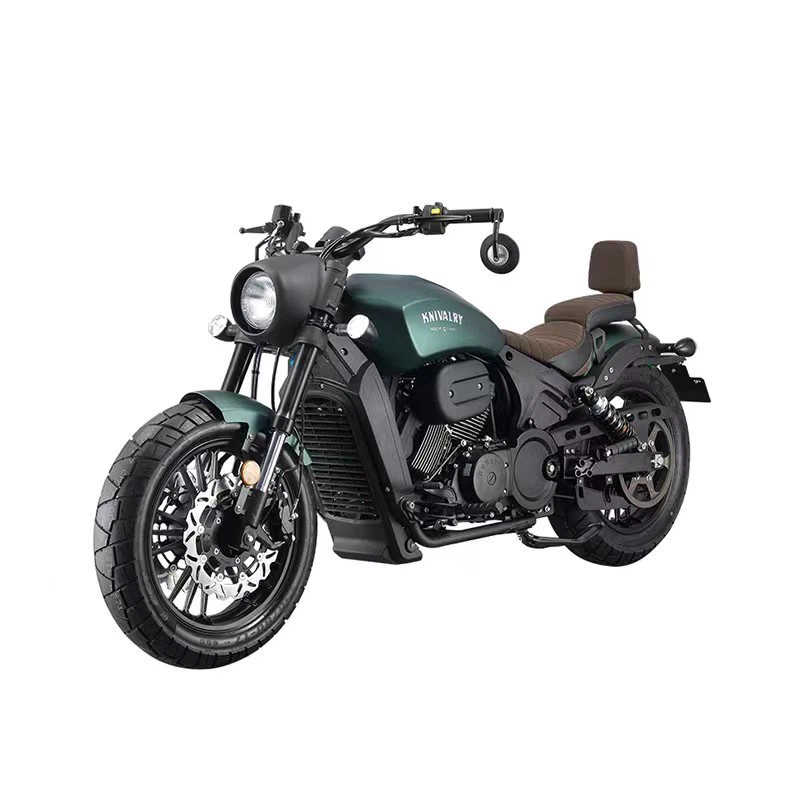
Mini Classic 50CC Motorcycle is the preferred product for urban travel or daily short-distance travel. It adopts a drum brake, which is more in line with traditional design. The hydraulic shock absorption design can reduce the impact and make your driving process more stable.

Vintage 110CC Motorcycles for Adults
If you want to show your style and pursue speed and freedom, Vintage 110CC Motorcycles for Adults is very suitable for you. The wear-resistant and shock-resistant vacuum tires enable it to run smoothly on various roads.

Gasoline Motorcycle for Adults
The Gasoline Motorcycle for Adults is very handsome. If you have a desire for speed and a free life, this is a product that is very suitable for you. Its maximum engine power is 8000 rpm, and displacement is 250 ml, so the maximum speed is also fast.
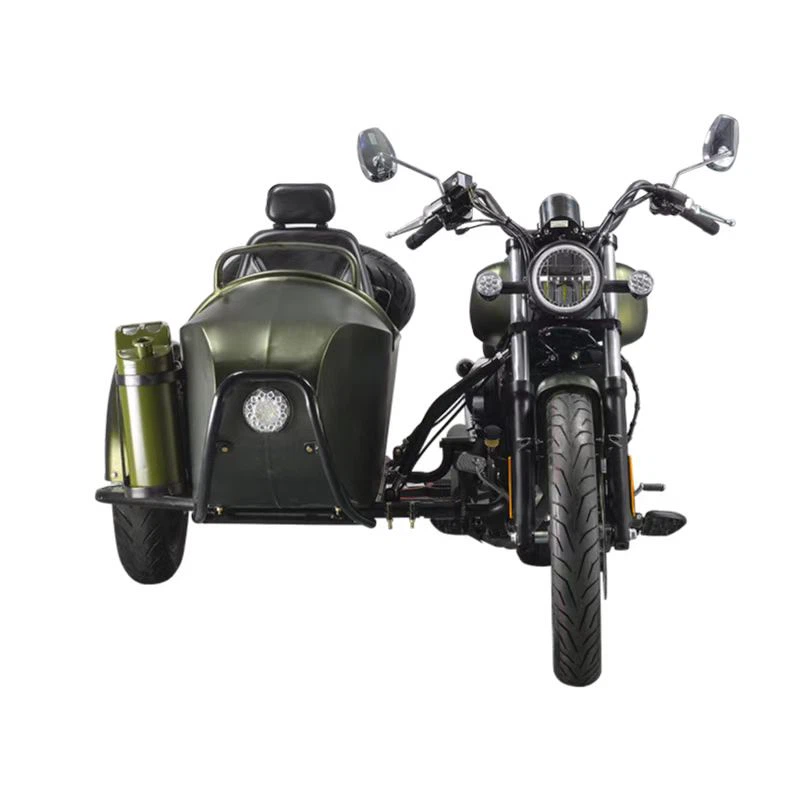
Affordable 3 Wheel Chopper Trike Motorcycle
The horsepower of the Affordable 3 Wheel Chopper Trike Motorcycle is very powerful. The car is equipped with a high-horsepower engine. With a displacement of 249cc and a four-stroke engine, it can achieve a maximum speed of 130 km/h.
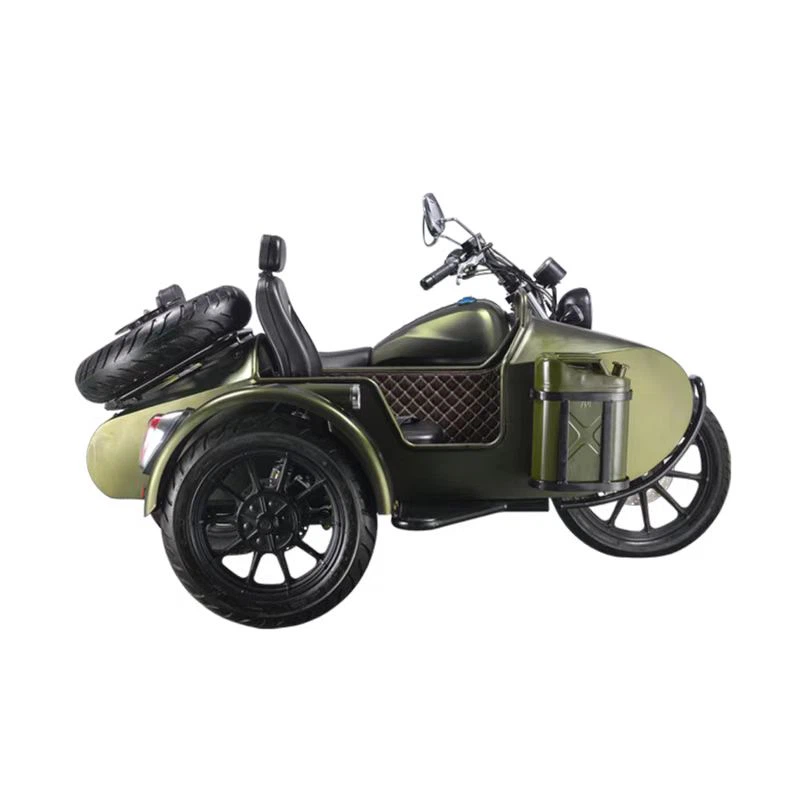
3 Wheel Petrol Motorcycle for Adults
Our 3 Wheel Petrol Motorcycle for Adults is equipped with a 249ml displacement engine that provides enough power and speed for recreational and everyday use. It has a fuel tank capacity of 15L and a fuel consumption of 3.15L/100km, so there is no need to refuel frequently.

4 Stroke 250cc 3 Wheel Gas Motorcycle
This 4 Stroke 250cc 3 Wheel Gas Motorcycle is a motorcycle with good performance, suitable for riding on roads and cities. It is equipped with semi-automatic transmission, with excellent traction control, which can achieve a sensitive operating experience.

This Adult Racing 250cc Motorcycle is a compact motorcycle, which can travel several miles. It is made of solid and durable metal alloy frame and powerful engine, which can support long-term driving and will not be easily deformed due to collision.

Adult 4 Stroke Sport Motorcycle 350cc
This Adult 4 Stroke Sport Motorcycle 350cc is equipped with a powerful 350cc engine which is oil flooded air cooled, 4 stroke, and fuel injected. As a result, its maximum power reaches 9000 rpm, and its top speed can reach 160km/h, but it will not generate dangerous heat during driving.
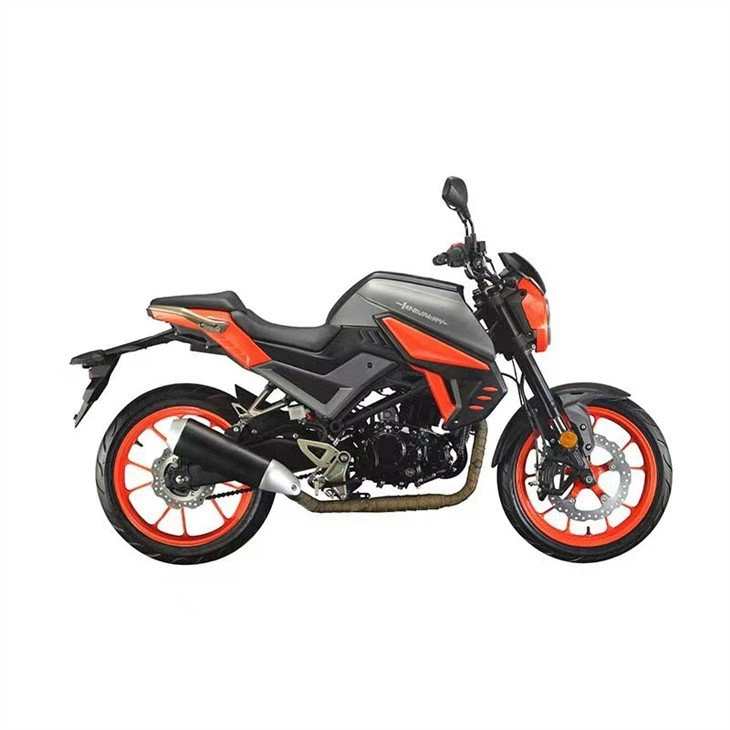
Adult 125cc Gas Motorcycle Street Lega
Engine Type: 4-Stroke,Air Cooled vertical(CBN125) Displacemen: 133 cm³ Compression ratio: 8.7:1 Cylinder Diameter: 56.5mm
What is a Motorcycle?
A motorcycle (motorbike, bike, or, if three-wheeled, a trike) is a two or three-wheeled motor vehicle steered by a handlebar from a saddle-style seat. Motorcycle design varies greatly to suit a range of different purposes: long-distance travel, commuting, cruising, sport (including racing), and off-road riding.
Benefits of Riding a Motorcycle
You Can Find Yourself Closer to the Environment
When you are driving a car, you have protection on both sides. You do have a window, but many people choose not to roll it down due to the AC in the car. On a motorcycle, though, you can have direct contact with the environment. You can sense the environment through smell, sight, sound, thrill, and touch. Riding a motorcycle makes you interact with your surroundings, which is a great feeling overall.
It Strengthens Your Reflexes
To balance a motorcycle, you must use your entire body. Occasionally managing and balancing your bike allows a person to relax a little while operating a bike. However, while operating a motorcycle, you must constantly be alert. A biker indeed possesses quick reactions and mental clarity.
Riding a Bike Boosts Your Mental Ability
It has been scientifically demonstrated that riding a motorcycle improves mental stability; this is not a hoax. Research comparing those who frequently ride bikes to go to their work with those who don't was done. The results of the experiments showed that the typical bike rider's brain was aroused more while riding a motorcycle than the other riders. It was also demonstrated that these riders had significantly improved spatial thinking and memory skills.
Bike Riding Reduces the Stress Levels
You must admit that a long motorbike ride on one of your favorite roads would undoubtedly provide calm and sanity when you are having a rough day. Scientific findings have supported the whole idea. The rider's mental and emotional health is improved by motorcycle riding. Additionally, riding a bike relieves stress. Once you ride your bike, you'll experience tremendous and joyful feelings.
You'll be benefited Spiritually
Keeping yourself away from the constant life distractions that prevent you from communicating with yourself is the simple definition of spirituality. Because the surroundings, such as the weather, the road, and the view, are to the rider's liking, motorcycle riding can help some riders connect with their inner selves. Riding can calm and bring inner peace.
Riding a bike Facilitates the Release of Positive Chemicals
Our brains' chemical processes for emotions. Our brains create several hormones that cause us to feel joyful, ecstatic, and depressed. Happy thoughts are released in your mind by hormones like dopamine, oxytocin, endorphin, serotonin, and adrenaline. These hormones are only released when you are excited, and if you feel excited while riding a motorbike, you will be super happy. Learning to ride a motorcycle is freedom from dependency. If you have this skill, it will benefit you in the best ways. A good bike trainer makes the riders vigilant and develops the mind to tackle the road and traffic congestion. It makes you proactive and visually alert and creates a defensive mindset.
Main Components of Motorcycles
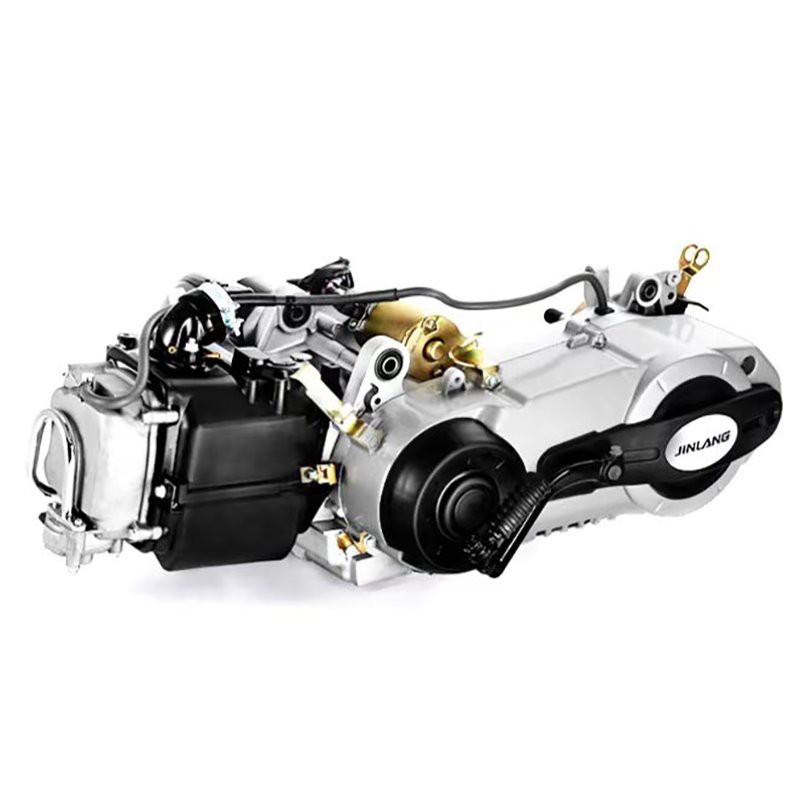
1.Engine-The beating heart of any motorcycle is its engine, even if the bike is an electric vehicle with a motor and battery. A common motorcycle classification is engine size, measured in cubic centimeters (cc). Higher cc engines are heavier and require more power to run. In most cases, the engine mounts directly to the motorcycle's frame. This keeps the motorcycle's center of gravity low while keeping the engine far enough away from the wheels and front fork. In non-electric bikes, the fuel tank is mounted over the engine, typically in a central location underneath the seat.
The chassis is the skeletal structure of a motorcycle. Chassis construction includes several integral motorcycle parts that provide a base for the rest of the bike. The components that make up the chassis are the frame, the front fork and the suspension.
Your motorcycle's steering and handling are made possible by the front fork. The handlebars connect to fork tubes on either side of the front wheel that house hydraulic springs in the suspension; this tube connects to legs (called sliders) that attach to the front axle and control movement of the wheel.
Arguably the most important part of the chassis is the frame, the central element of the chassis upon which the rest of the motorcycle sits. It contains the connecting element for the front fork (called the head tube) that allows that piece to pivot. Aluminum or steel are common materials for motorcycle frame construction due to their strength and density.
Keeping your motorcycle grounded and your ride smooth is the job of the suspension. Both front and rear suspension setups are common. In the front, hydraulic shocks connect to the fork and cushion impacts under the wheel. In the rear, a suspension connects the body to the axle.
3.Transmission
For power to flow from the engine through the drivetrain, a transmission is needed. The transmission is activated via the hand clutch when shifting gears, propelling the bike forward with torque produced by the engine. The most common motorcycle transmission setup is a sequential manual shifter that works with a foot pedal shifter. "Sequential manual" shifting means the rider manually shifts gears either up or down to the next sequential gear. Other parts of the transmission that help your bike get going and stay moving include:
Ignition switch: a handlebar-mounted, key-operated switch that controls the flow of power to the rest of the motorcycle
Starter pedal: once the ignition switch is activated and power is released through the bike, this pedal allows the rider to start the bike
Foot shifter: allows the rider to shift gears up or down with a foot control that's located near the footrests
Hand clutch: handlebar-located control that disconnects the clutch from the engine, allowing the rider to safely proceed with a gear shift

4.Wheels
The wheels and tires on your motorcycle will significantly affect its capabilities and performance. Tire ratings exist for street use, high-speed riding, off-road adventures and more riding scenarios. The ratings differ based on the weight of the motorcycle they support and the surface the bike will drive over (loose dirt, city street or a track). The wheels are also the mounting location for the front and rear brakes. The front brakes are larger in size than the rear brakes because of the extra force required to quickly stop the motorcycle's front wheels and slow the bike's speed. Both brakes are controlled by levers on the handlebars.
5.Instrument Display
The display, or instrument cluster, is the central computer system on your motorcycle. This is where you can monitor your speed while riding, see your fuel level and keep an eye on any electronic add-ons your bike might have (like a GPS device or an engine temperature sensor).

Working Principle Of Gasoline Engines Of Motorcycles


There are two parts to the answer – the basic principle involved, and a practical way to apply that principle. The physical part is that when a confined gas is heated, its pressure increases. The hotter a gas becomes, the faster its molecules zoom around, colliding constantly with each other and with the walls of the container. The pressure of the gas is the result of the gas molecules, colliding with the walls. That gas pressure can be used to drive the piston of a gasoline engine. One easy way to heat air is to mix into it a fuel and then to ignite the mixture.
The mechanical part is how we go about using this idea of letting fuel-heated gas expand to make a power-producing machine that can turn the rear wheel of a motorcycle. We begin with a cylinder, closed at its top end, in which a close-fitting piston can slide up and down. A rod, pivoting inside the piston, extends out the open bottom end of the cylinder to attach to a crank on a shaft that rotates in bearings, located below the cylinder. If we rotate this "crank-shaft", the rod attached to the crank will drive the piston up and down in its cylinder. This gives us a movable piston that gas pressure can drive down the cylinder, and that motion, transmitted through the rod that connects piston to crank, can give the crank a push, thereby doing useful work.
In the closed top of the cylinder, called the cylinder head, are three essential parts. Two of them are valves – an intake valve to let fresh fuel-air mixture enter the cylinder from a mixing device, and an exhaust valve to let expanded combustion gas leave the cylinder. The third essential part is a spark plug, screwed into a threaded hole in the head so that an electric spark can jump when needed across the plug's electrodes, located in the cylinder.
A valve operating mechanism is provided to open and close the intake and exhaust valves when needed, and another timing mechanism causes a spark to jump across the spark plug electrodes at the right moment and at no other time.
We begin the operating cycle with the piston at its position of closest approach to the top, or head of the cylinder. We turn the crank. The intake valve opens and the piston moves down, away from the head, creating a partial vacuum in the cylinder. A mixture of air and fuel rushes in through the open intake valve. When the piston reaches the bottom of its travel, the intake valve closes. Now the piston reverses direction, rising toward the head, compressing the fuel-air mixture. When the piston has nearly reached its top-most position, a spark is sent across the spark plug's electrodes. The intense heat of this spark ignites the compressed fuel-air mixture, burning it and releasing heat. This heat causes the pressure of the burned gases to rise by about 7 times, to a high pressure. This pressure now drives the piston down again, but with great force, giving the crank-shaft a strong spin. Attached to the crankshaft is a flywheel, whose purpose is to keep the engine rotating smoothly even though power is delivered by the piston only intermittently.
Things to Consider Before Choosing a Motorcycle

Consider Your Riding Environment
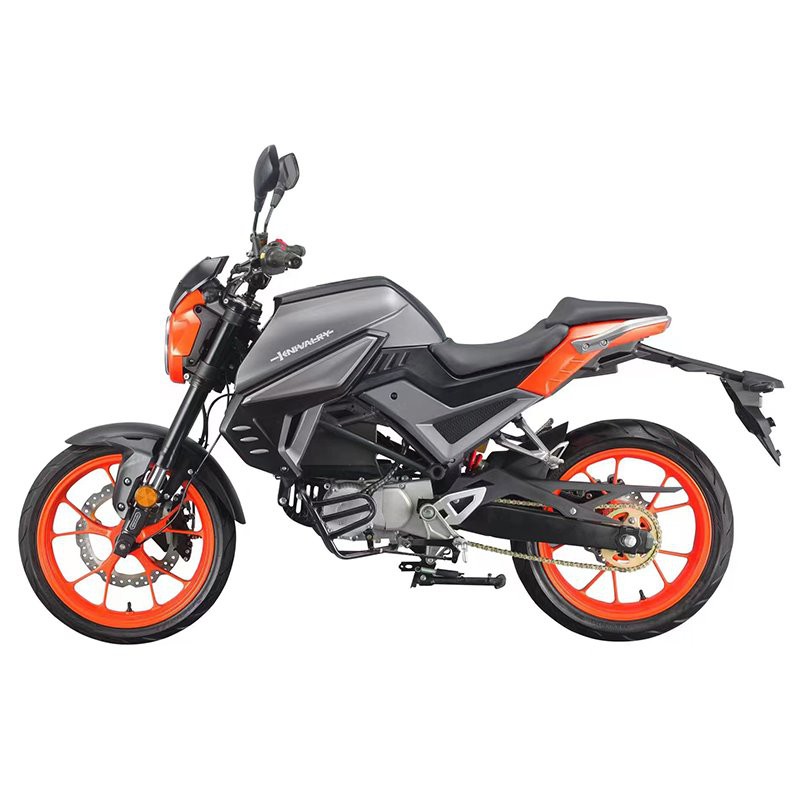
First things first, you'll want to think about where you're going to be riding your motorcycle, are you going to be commuting to and from work every day, are you driving in the city, or perhaps are you looking for a bike just for weekend rides? Depending on what your sole purpose for riding your bike is, will influence the type of bike you should go for. For example, if you are going to be mostly riding around in the urban jungle, then opt for a smaller and lighter bike or perhaps even an electric motorcycle. On the other hand, those who intend on doing longer commutes or road trips will want a bigger bike with larger cargo space such as a touring motorcycle.

Assess Your Licencing and Experience Levels
As we mentioned a little earlier, the type of motorcycle you ride will depend heavily on the licence you have. If you are someone who has just passed their CBT, you will be limited to riding a 125cc powered bike. In contrast, if you have passed your full motorcycle licence, you are entitled to ride whichever bile you desire - however just because you can doesn't always necessarily mean you should! Those who have slowly built up to their full licence going from a CBT to your A2 licence, and then onto your full, it can be assumed that you have a fair bit of experience behind you and know how to handle bikes of a varied power output. However, if you have opted to do direct access to your full motorcycle licence the chances are you won't have much riding experience behind you and opting for a very heavily powered >1000cc motorcycle for your first bike may not be the best choice.
Do Your Research
Before making a solid decision on which motorcycle you want, you will need to do your own thorough research. During your research, this is also a great opportunity to read up on any bikes you may have had your eye on, as well as look at which bikes out there are deemed most reliable, best for beginners, and even the best to fit in line with the type of motorcycle licence you hold.

Finding the Right Seat Height and Riding Position
Ideally, when you're buying a motorcycle you will want to be able to sit on it and have both feet flat on the ground. Typically, modern-day motorcycles come with adjustable seat heights, however with older models it is definitely worth hoping on and seeing if you can reach the floor - you should never purchase a motorcycle you haven't sat on at least once! Not only will you want to make sure your feet can firmly touch the floor, but you will also want to make sure that the seat is comfortable enough for you. Whether you plan to commute on your motorbike or not, I can imagine there will at least be a handful of occasions where you will find yourself on your bike for extended periods of time - with the last thing you want or need is to become uncomfortable. If you ever find yourself stretching to reach the controls or forced into an awkward riding position, not only will that ruin the enjoyment of your ride but it could also dangerously affect the balance of the bike, especially at slower speeds.
Compare Rider Weight Capacity
It is advisable that you consider both your weight and the bike weight before making your final decision. For example, if a motorcycle is too big or too small for you, it can make controlling the bike extremely difficult, and can in worst-case scenarios lead to you losing control or crashing your motorcycle. Alternatively, if the bike itself is too heavy for you, it can make it much harder to control and manoeuvre and can end up again with you losing control and ending up hurting both yourself as well as the bike.
Can Adjustments be Made to the Bike If Needed?
Lastly, if you have followed all of the steps above and you find yourself settled on a motorcycle that out of the factory may be a little too tall or small for you - do not fret, most bikes can be adjusted! The most common way to adjust your bike is to change the seat height and/or adjust the suspension - essentially lowering or heightening the bike. Most dealerships will be able to do this for you, though it will depend on the model in question.
Take into Account Your Budget
One huge factor that will play a part in your decision-making for buying a motorcycle is your budget. If you are someone who has a slightly limited budget, then perhaps a second-hand model may be the best route for you to go down. However, if you have a little more budget to play with, you are in the position to start considering a brand-new motorcycle.
Maintenance Tips for a Motorcycle
Regular upkeep is crucial if you want to keep your motorcycle running safely and efficiently. Maintenance checks can also alert you of any potential problems you'll want to catch before you're out on the open road.
Change the Oil: You should change your oil often depending on your manufacturer's recommended service intervals.
Check on Tire Wear: Low inflation or worn tire treads can cause dangerous riding conditions; check your tires weekly to monitor their condition.
Top off Low Fluid: Check fluids and top off low levels between maintenance trips maintain functionality and prevent costly repairs.
Test the Battery: A dead battery can put a serious damper on your trip. Test your bike's battery before long rides to ensure it's accepting a healthy charge.
Clean the Air Filter: A quick blast of compressed air can clean an air filter between long rides before you need a replacement.
Examine the Fuel Filter: Clogged fuel filters can cause problems with engine starting and acceleration, so be sure to check them often.
Lubricate the Drive Chain: After a ride, lubricating the motorcycle's drive chain while it's still warm allows the chain to absorb more oil.
Keep Your Bike Covered: Cover your bike when it's not in use - either by parking it in a covered space or using a weatherproof tarp.
Our factory not only has advanced production lines, assembly lines, and inspection lines but also provides customers with technical designs and solutions. Teams and engineers with more than ten years of experience can design and manufacture non-standard equipment or provide other special technical services.
Ultimate FAQ Guide to Motorcycles
Q: What is the gas tank?
Q: What material is the motorcycle frame made of?
Q: What is the mechanism of a motorcycle?
Q: What are the three action steps for motorcycles?
Q: How does automatic work on a motorcycle?
Q: What controls speed on a motorcycle?
Q: How to stop a motorcycle at high speed?
Q: What is the proper braking technique on a motorcycle?
Q: How to accelerate smoothly on a motorcycle?
Q: At what rpm should I shift a motorcycle?
Q: Why is my motorcycle not starting?
Q: How does a motorcycle stator work?
Q: Do motorcycles consume a lot of fuel?
Q: Can motorcycles avoid traffic jams?
Q: How to start a motorcycle?
Q: Does a motorcycle need to be preheated?
Q: What does 4-stroke mean on a motorcycle?
Q: How do I check my motorcycle oil level?
Q: How long do motorcycle tires last?
Q: Can I ride a motorcycle in the winter?
Hot Tags: gasoline motorcycle for adults, China gasoline motorcycle for adults manufacturers, suppliers, factory, Edge Electric Motorcycle, motorcycle fuel filter, wheeled motorcycle, Off road electric bicycle accessories, best shock absorber, motorcycle spokes


