


Zhejiang Benling: Your Professional Motorcycle Manufacturer!
Zhejiang Benling Motorcycle Manufacturing Co., Ltd. and its export company Taizhou Strength Good Motorcycle Co., Ltd. were established in 2020 and located in Taizhou City, Zhejiang Province, a well-known motorcycle manufacturing base in China. Our company covers an area of more than 80,000 square meters and a construction area of more than 36,000 square meters.
Our Advantages
Advanced Equipment
Benling Company has fully enclosed light-curing paint spraying lines, scientific and advanced assembly lines, etc., and also uses CNC vertical comprehensive machining centers, precision tools, etc. to ensure smooth and high-quality production of motorcycles and parts.
Broad Sales Market
Our products are long-lasting in South Asia, Southeast Asia, West Africa, Europe, the United States, the Middle East and other regions. They have a good reputation in the market and are deeply trusted by customers.
Complete Performance Testing
Precision testing equipment and instruments such as reflex CMM, dynamometer, engine chassis dynamometer, durability test bench, etc. can strictly inspect and control the performance and quality of motorcycles.
Scientific Production Line
We have passed ISO9000 certification and our manufacturing process complies with international quality management standards, ensuring product quality consistency and customer satisfaction.
-
![150cc Gy6 4 Stroke Scooter Engine]()
-
![125cc 4 Stroke Scooter Engine]() 125cc 4 Stroke Scooter EngineDisplacement(ml): 49.6ml. Diameter(mm): 39mm. Route(mm): 41.5mm. Compression ratio: 10.5:1Port: FOB Ningbo
125cc 4 Stroke Scooter EngineDisplacement(ml): 49.6ml. Diameter(mm): 39mm. Route(mm): 41.5mm. Compression ratio: 10.5:1Port: FOB Ningbo -
![Scooter Air Rear Shock Absorbers]()
-
![Electric Scooter Front Shock Absorber]()
-
![125CC Scooter Shock Absorbers]() 125CC Scooter Shock AbsorbersPackaging Details. 1.Iron+Carton. 2.CKD. 3.SKD/CBU4.Port: FOB Ningbo
125CC Scooter Shock AbsorbersPackaging Details. 1.Iron+Carton. 2.CKD. 3.SKD/CBU4.Port: FOB Ningbo


What are Scooter Spare Parts?
Scooter spare parts refer to the components or accessories that can be used to replace or repair various parts of a scooter. Some common scooter spare parts include engine, electrical components, braking system components, suspension system components, wheels and tires, etc.
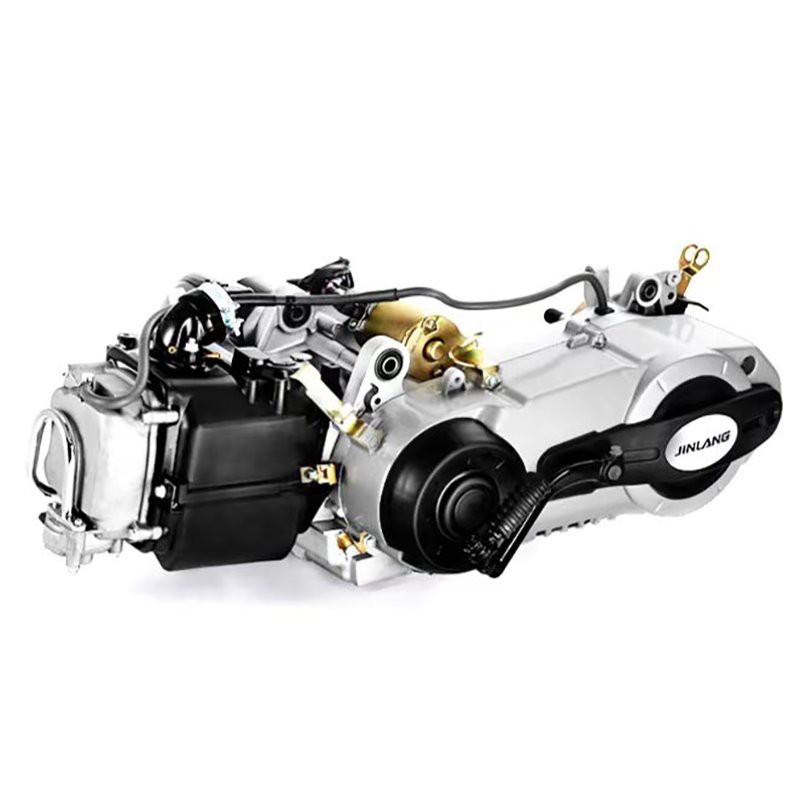
Types of Scooter Spare Parts
4 Stroke Scooter Engine
A 4-stroke engine is a common type of internal combustion engine. Most modern internal combustion engines are 4-stroke engines that run on gasoline or diesel fuel. 4-stroke engines provide a good balance of power, reliability and efficiency. When it comes to emissions, 4-strokes mechanically separate each event, reducing unburned fuel emissions. They also separate oil from fuel, which significantly reduces carbon monoxide emissions.
1.Advantages
Higher Torque
The torque generated in the engine is higher than other traditional engines with the same amount of fuel injected. The higher torque is beneficial in making a vehicle run smoother and with a higher power. The high torque is capable of providing faster vehicles with less vibration and noise.
01
Longer Life
The life of the 4-stroke engine is more due to the better lubrication and cooling system. It decreases the wear and tear of the engine cylinder and its various parts, which is comparatively more common in other variants. Also, the better dampening makes them more stable at higher speeds and power operations.
02
Fuel Efficiency
Due to the presence of valves, the intake and exhaust are facilitated with greater efficiency, and the fuel losses are controlled. Unlike 2-stroke, there is no scavenging in these engines, and there is only time intake of fuel during the four-cycle operation.
03
Less polluting
As the exhaust is better controlled, the fresh charge is only available for combustion. This makes this engine a better option with regard to environmental impacts. The other traditional vehicles like a steam engine and 2-stroke create more pollutants than the 4-stroke engine.
04
Separate Lubrication
For lubrication and cooling, there is no need to add lubricant oil to the fuel. It decreases the cost of oil, making it more economical, and the other lubrication techniques are more efficient to safeguard the internal parts from frictional damages. Also, the power losses are minimised due to better design and technology.
05
2.Shock Absorbers
Shock absorbers and telescopic forks are essential components on Chassis of all two-wheeler classes. Both are safety-relevant components whose functionality should be checked regularly. As standard, telescopic forks and shock absorbers usually consist of a combination of spring and damper.
Advantages:
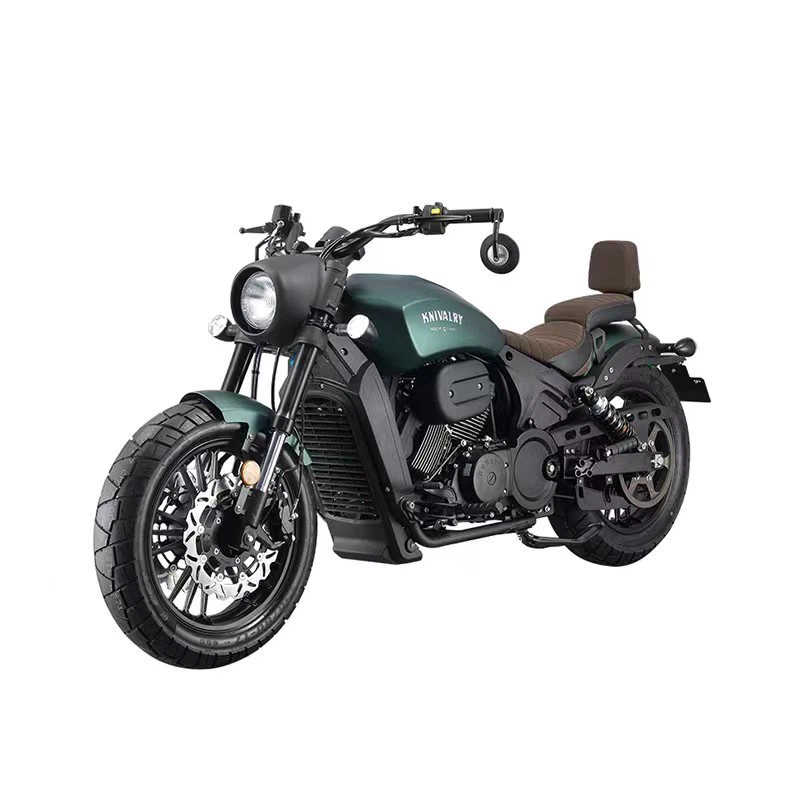
Advantages of Dual Shocks
Simply put, two shock absorbers do a better job of hauling load compared to a single setup. They are also tuned to be softly sprung, which enables them to absorb bumps slightly better, thus offering a supple ride. A dual-suspension setup is easier to manufacture and more cost-effective. Besides, it’s also easier to maintain.
Advantages of Mono Shocks
The use of a single shock means using a single valve, which exerts pressure equally unlike twin shocks. To add to this, the piston in a monoshock is much wider than the one found on twin-shock absorbers. In effect, monoshocks offer better and more precise damping, which results in better handling and stability. You’d mostly find a bike using a monoshock handle better than a twin-shock motorcycle.
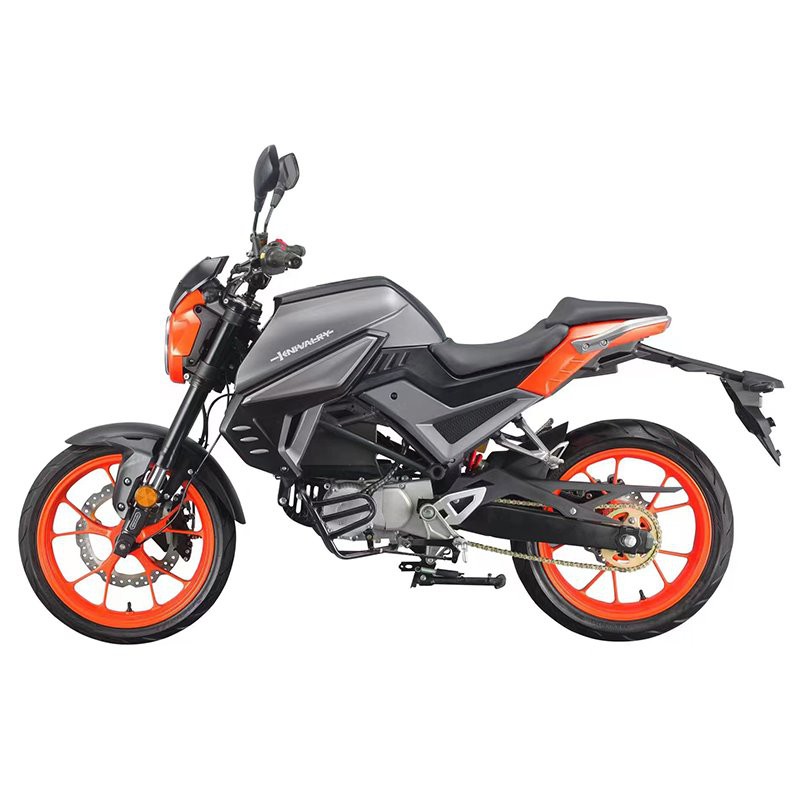
Main Components of Scooter Spare Parts
Shock absorbers vary in design and operation across different applications but share common components. Below are the key elements of a vehicle's shock absorber:
Mount
The mount secures the shock absorber to the vehicle body and suspension. It comprises upper and lower mounts of identical design, featuring a hollow surface allowing the insertion of bushings and bolts.
Bushing
Positioned on the mountings, bushings are typically made of rubber or urethane. They absorb vibrations and incorporate separate metal parts to minimise noise and wear, making them replaceable components.
Coil Spring
Not all shock absorbers include a coil spring. Those that do are known as coil-over-shock absorbers or spring coil shock absorbers. These shock absorbers resemble suspension struts, often leading to confusion between the two.
Piston and Piston Rod
The piston within the shock absorber contains openings or valves that regulate the flow of oil through passageways, coordinating with the movement of the shock absorber. The piston rod guides the piston's motion within the shock absorber cylinder.
Cylinder
Serving as the body of the shock absorber, the cylinder is a cylindrical tube containing compression oil and housing the piston that moves within.
Bolts
Bolts function as fasteners securing the shock absorber to the vehicle's body at one end and the suspension at the other. Proper torquing of these bolts is essential to prevent loosening during operation.
Working Principle of Scooter Spare Parts
The 4-stroke engine also referred to as a 4-cycle engine, powers an array of outdoor power equipment:

Step 1: Intake Stroke
Air and fuel enter the small engine through the carburetor. It’s the job of the carburetor to supply a mixture of air and fuel that will allow for proper combustion. During the intake stroke, the intake valve between the carburetor and combustion chamber opens. This allows atmospheric pressure to force the air-fuel mixture into the cylinder bore as the piston moves downward.
Step 2: Compression Stroke
Just after the piston moves to the bottom of its travel (bottom dead center), the cylinder bore contains the maximum air-fuel mixture possible. The intake valve closes and the piston returns back up the cylinder bore. This is called the compression stroke of the 4-stroke engine process. The air-fuel mixture is compressed between the piston and cylinder head.


Step 3: Power Stroke
When the piston reaches the top of its travel (top dead center), it will be at its optimum point to ignite the fuel to get maximize power to your outdoor power equipment. A very high voltage is created in the ignition coil. The spark plug enables this high voltage to be discharged into the combustion chamber. The heat created by the spark ignites the gases, creating rapidly expanding, super-heated gases that force the piston back down the cylinder bore. This is called the power stroke.
Step 4: Exhaust Stroke
When the piston reaches bottom dead center again, the exhaust valve opens. As the piston travels back up the cylinder bore, it forces the spent combustion gases through the exhaust valve and out of the exhaust systems. As the piston returns to top dead center, the exhaust valve closes and the intake valve opens and the 4-stroke engine process repeat. Ever repetition of the cycle requires two full rotations of the crankshaft, while the engine only creates power during one of the four strokes. To keep the machine running, it needs the small engine flywheel. The power stroke creates momentum that pushes the flywheel’s inertia keeps it and the crankshaft turning during the exhaust, intake and compression strokes.

Maintenance Tips for Scooter Spare Parts
Check the Locking Screw Regularly:
If you notice that the suspension is stiff or loose, you should check the screws. Another sign that there is something wrong with the screws is hearing strange noises coming from them. Check the screws once a month to ensure they aren't loose and they haven't gotten tightened too tight. Due to riding, the suspension could become loose over some time but adjusting it is easy. Check to see if the screws are too loose or too tight. Some parts can get cracked or damaged if you don't check these monthly. Make slight adjustments with a universal kit or screwdriver and go for a short ride to ensure it is smooth. If the locking screws are too tight, you will know by how stiff the suspension feels on the bumps and if it is loose, you might lose your balance on turns or rough terrain. If the ride is still stiff, the spring might have to get replaced. This is not a simple task, and you may need a professional to do this for you effectively. The screws and the spring get removed. Read the manufacturer's manual to ensure you have the correct dimensions for the new spring. If you use one that is even slightly off in size, it won't fit.
Lubrication:
During a ride, the coil will move up and down multiple times. The part gets greased by the manufacturers to ensure it is well-lubricated. If you hear strange noises when you go over a bump, you will likely need to lubricate the shock absorber. When the suspension is dry, it can also damage the part.
Cleaning:
Especially the hydraulic shock absorber, if it is not cleaned in time after an off-road ride, dirt, and debris may scratch the oil seal, resulting in oil leakage. The oil leakage is irreversible, unlike hydraulic brakes, there is no way to replenish the oil. You can only replace a new hydraulic set, or use it as just a common spring shock absorber. So, after a long-term ride, please make sure to clean the debris and mud out. Use warm water and a lint-free soft cloth, or a soft brush. Please do not use solvents, degreasing agents, detergents and other chemicals, that may damage the shock absorbers and void the warranty.
Our factory not only has advanced production lines, assembly lines, and inspection lines but also provides customers with technical designs and solutions. Teams and engineers with more than ten years of experience can design and manufacture non-standard equipment or provide other special technical services.
Ultimate FAQ Guide to Scooter Spare Parts
Q: What is the most important part of a scooter?
Q: What is a 4-stroke scooter engine?
Q: How do I know if my scooter is 2-stroke or 4-stroke?
Q: Is a 2-stroke or 4-stroke lighter?
Q: What are the strokes of a 4-cycle engine?
Q: What is the difference between 2-stroke and 4-stroke scooter engines?
Q: Do scooters have shock absorbers?
Q: How do I know if my motorcycle shock absorber is bad?
Q: When do I need to replace my shock absorbers?
Q: What are the purpose of shock absorbers?
Q: Is suspension good for electric scooters?
Q: How to lubricate the shock absorber?
Q: Rear Suspension vs. Front Suspension or Both – Which is Better?
Q: How to choose a scooter engine?
Q: Why is suspension important in e-scooters?
Q: Is a 4-stroke engine more fuel efficient?
Q: What is the expected lifespan of a 4 stroke scooter engine?
Q: What type of fuel does a 4 stroke scooter engine use?
Q: How many cylinders are in a 4 stroke scooter engine?
Q: Can scooter shock absorbers improve my ride quality?
We're professional scooter spare parts manufacturers and suppliers in China, specialized in providing high quality products and service. If you're going to wholesale high-grade scooter spare parts with competitive price, welcome to get more information from our factory.
750W electric scooter, 4 wheel electric bike, Gasoline powered electric scooter


